terriloui

Terri Long – Telling lost stories with found objects.

Tag: art

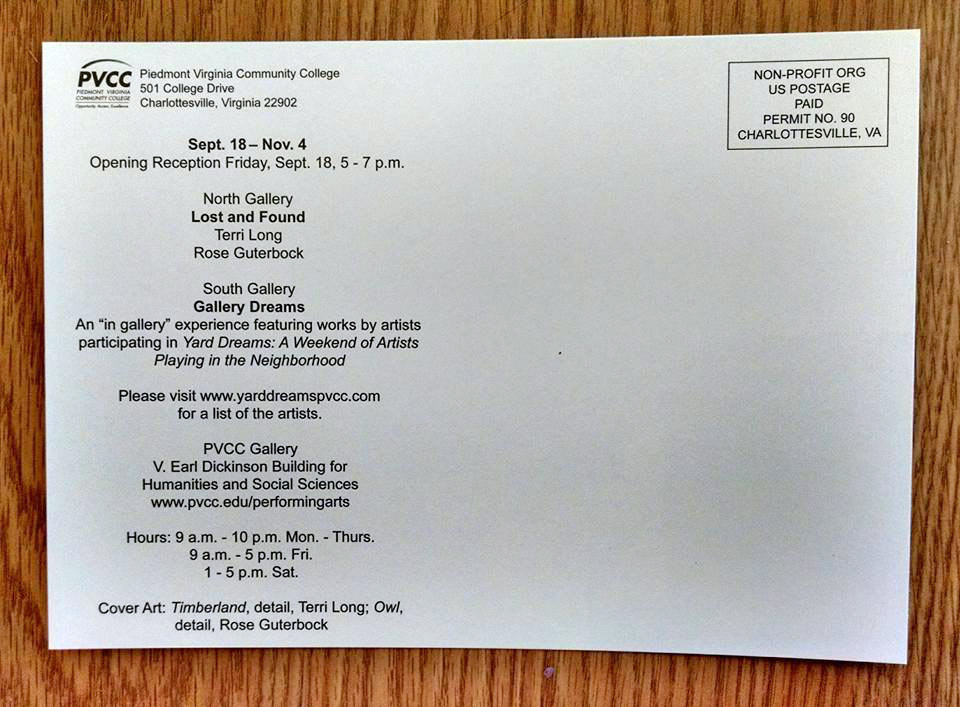
Lost and Found at PVCC Sept. 18 – Nov. 4, 2015


PostcardSnap1

PostcardSnap2


Excited to be part of a two person show opening in Charlottesville on Friday, September 18th. Recent hand surgery has made for a challenging summer and for preparing works, but all is well and I’m psyched to deliver the work in just a few days.

Materials? Discarded library books and ephemera, old text book covers, marbled end papers, leather bindings, one feather, one tiger and quite a few butterflies.

More to come.

Say it!

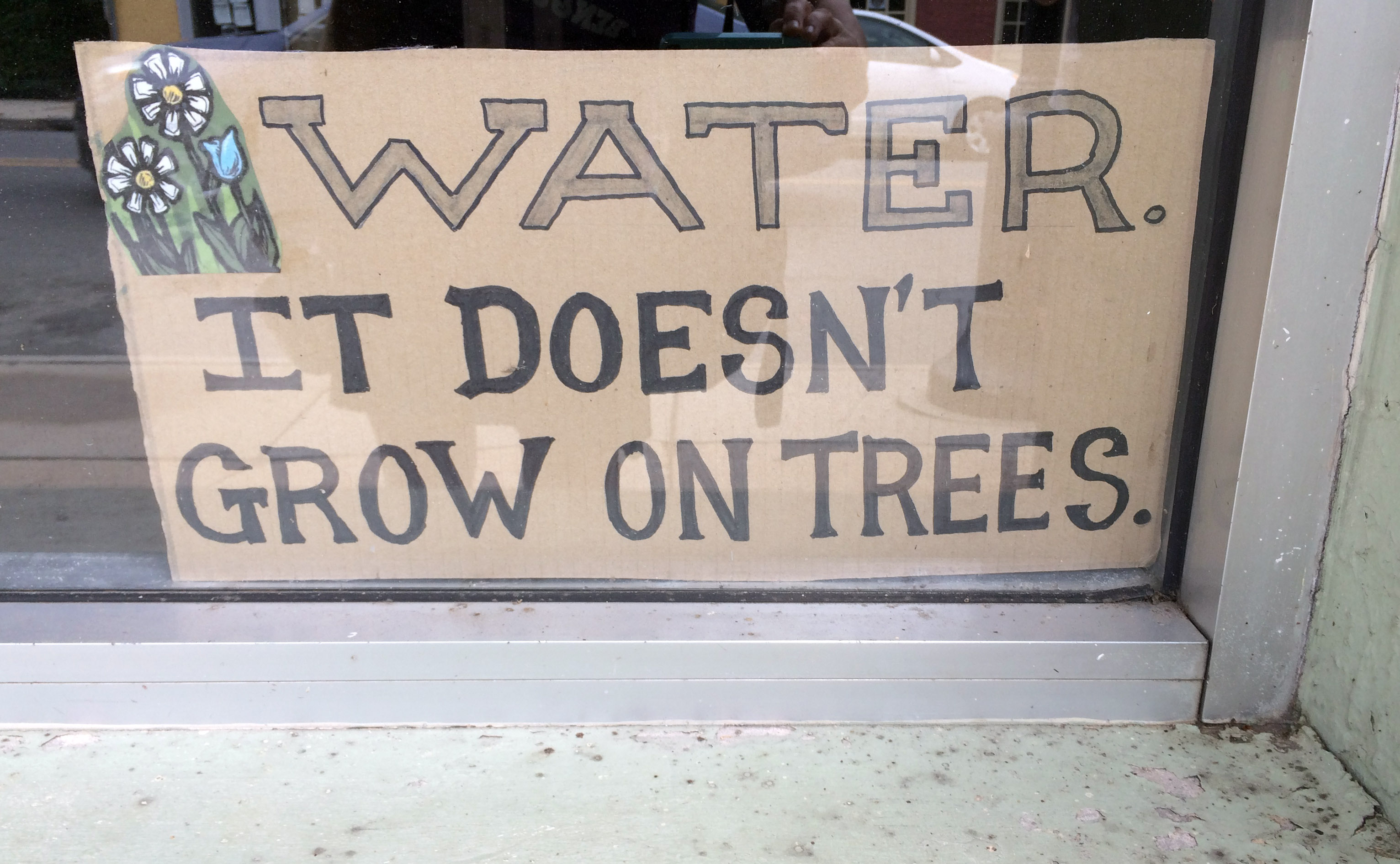
Water3221
Communication comes in many forms, it’s important to get the message out. Say it, however temporary, wherever possible with whatever materials are handy. State it multiple times if need be.

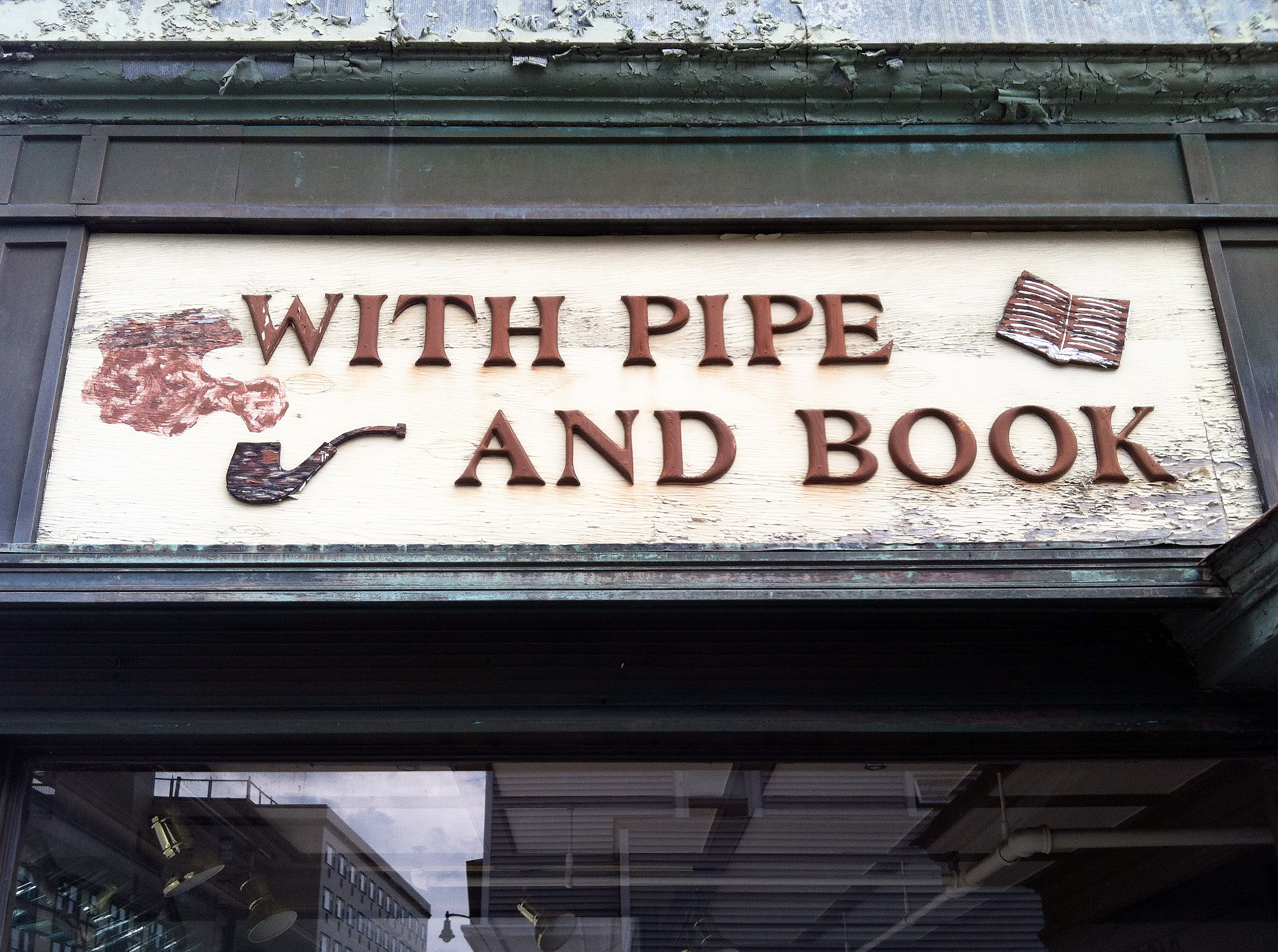
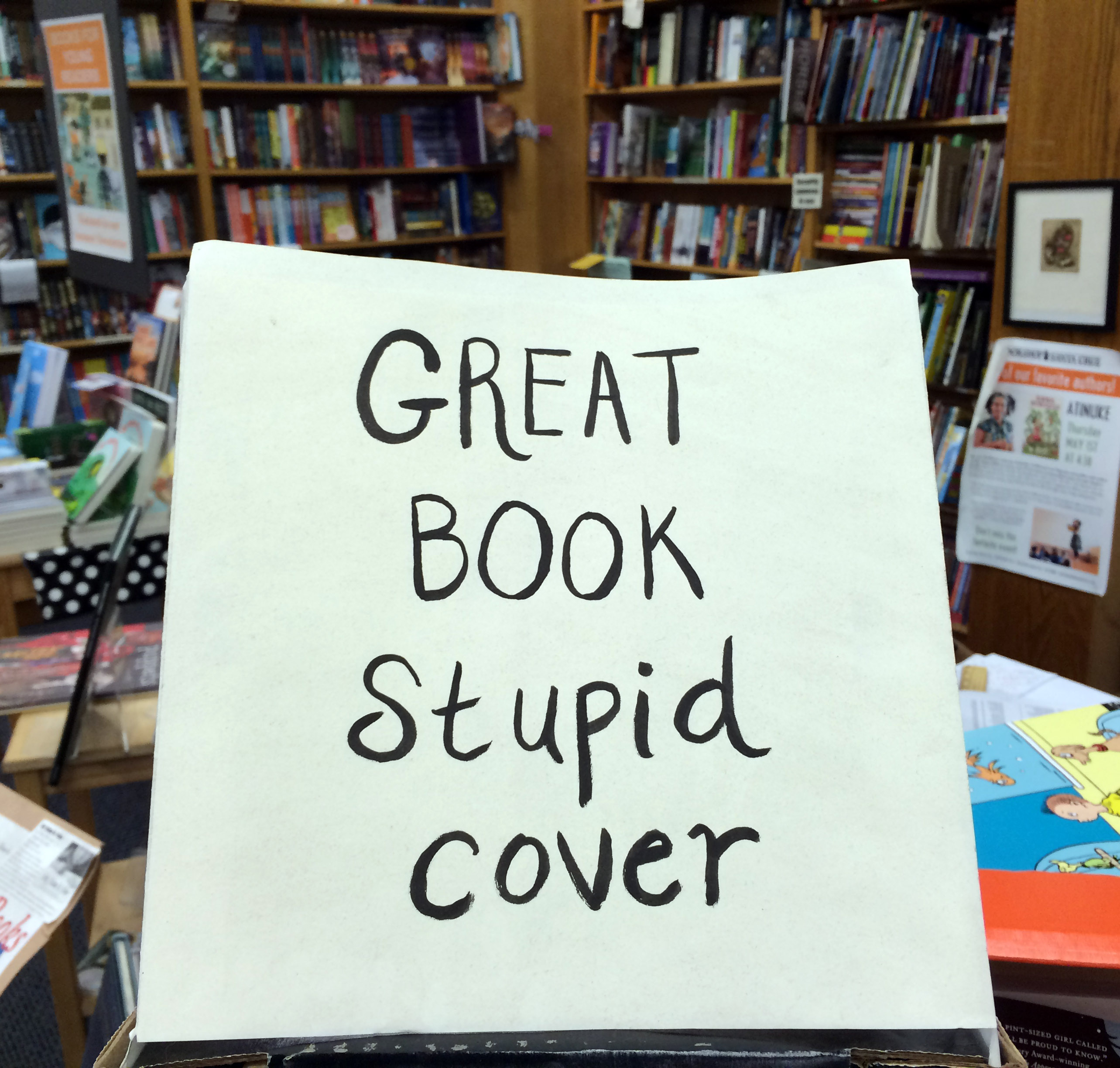
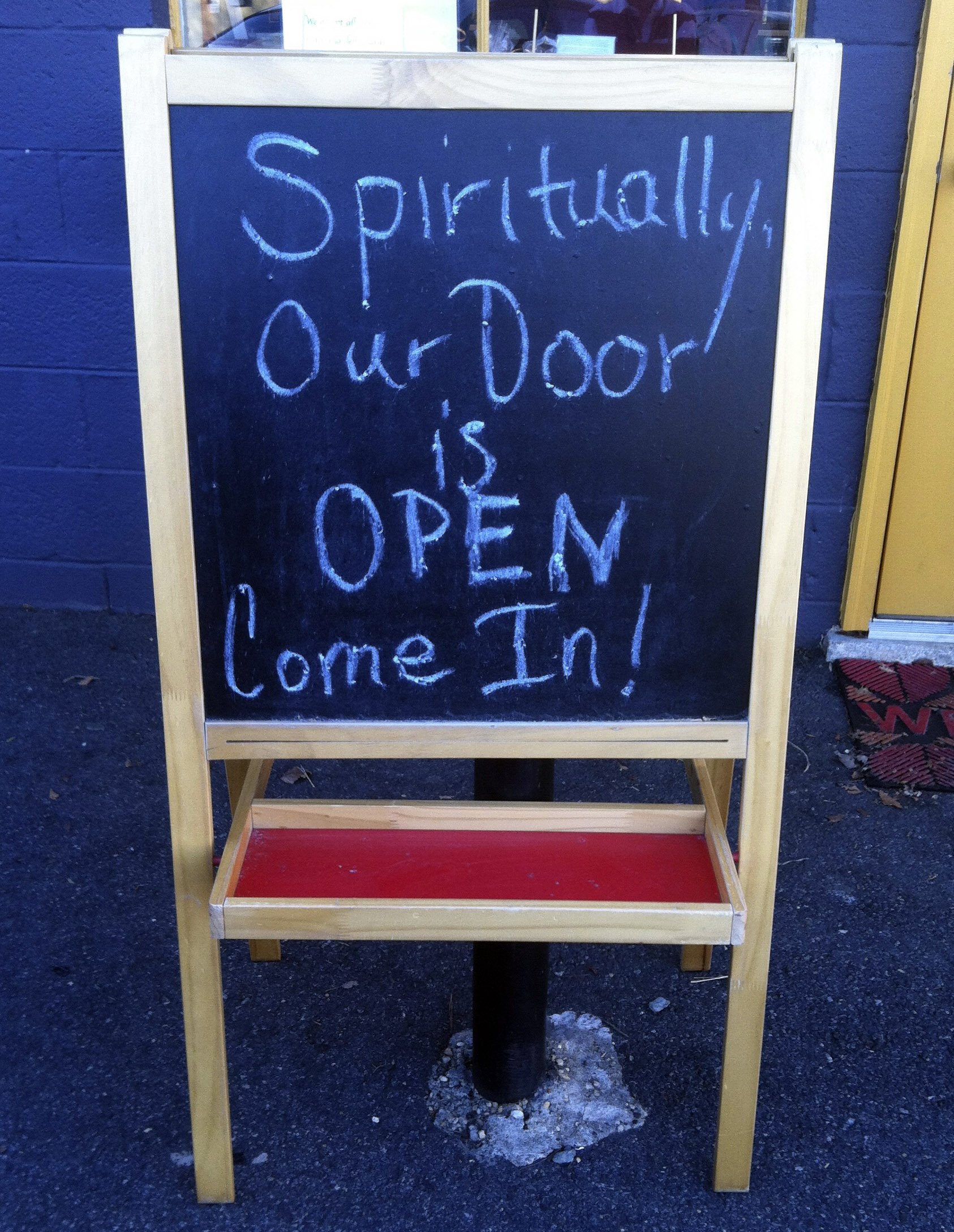
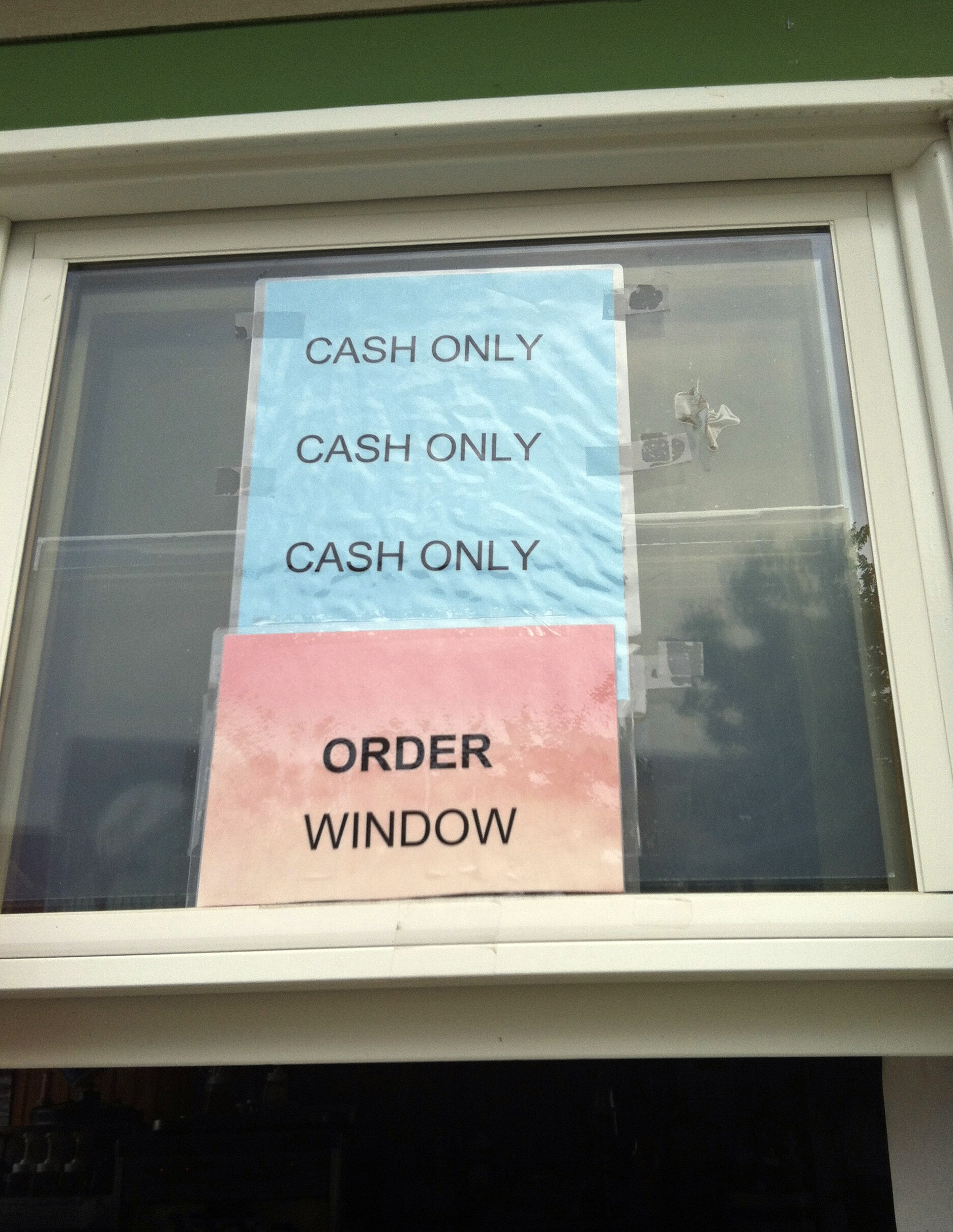
As a visual artist, I’m keen on letterforms, fonts and signage big and small. I have a soft spot for the quirky, grammatically-challenged, warn and forgotten ones.

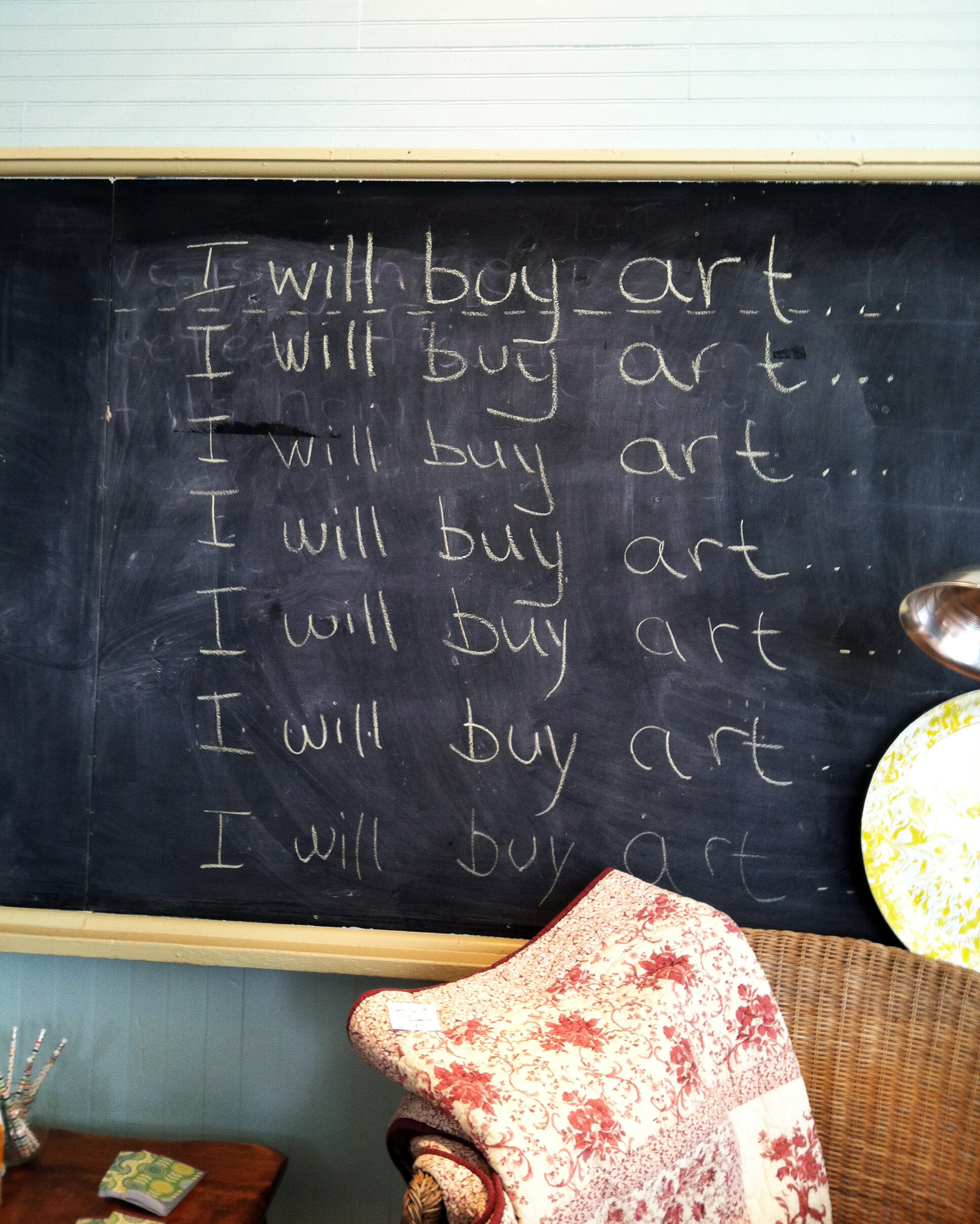
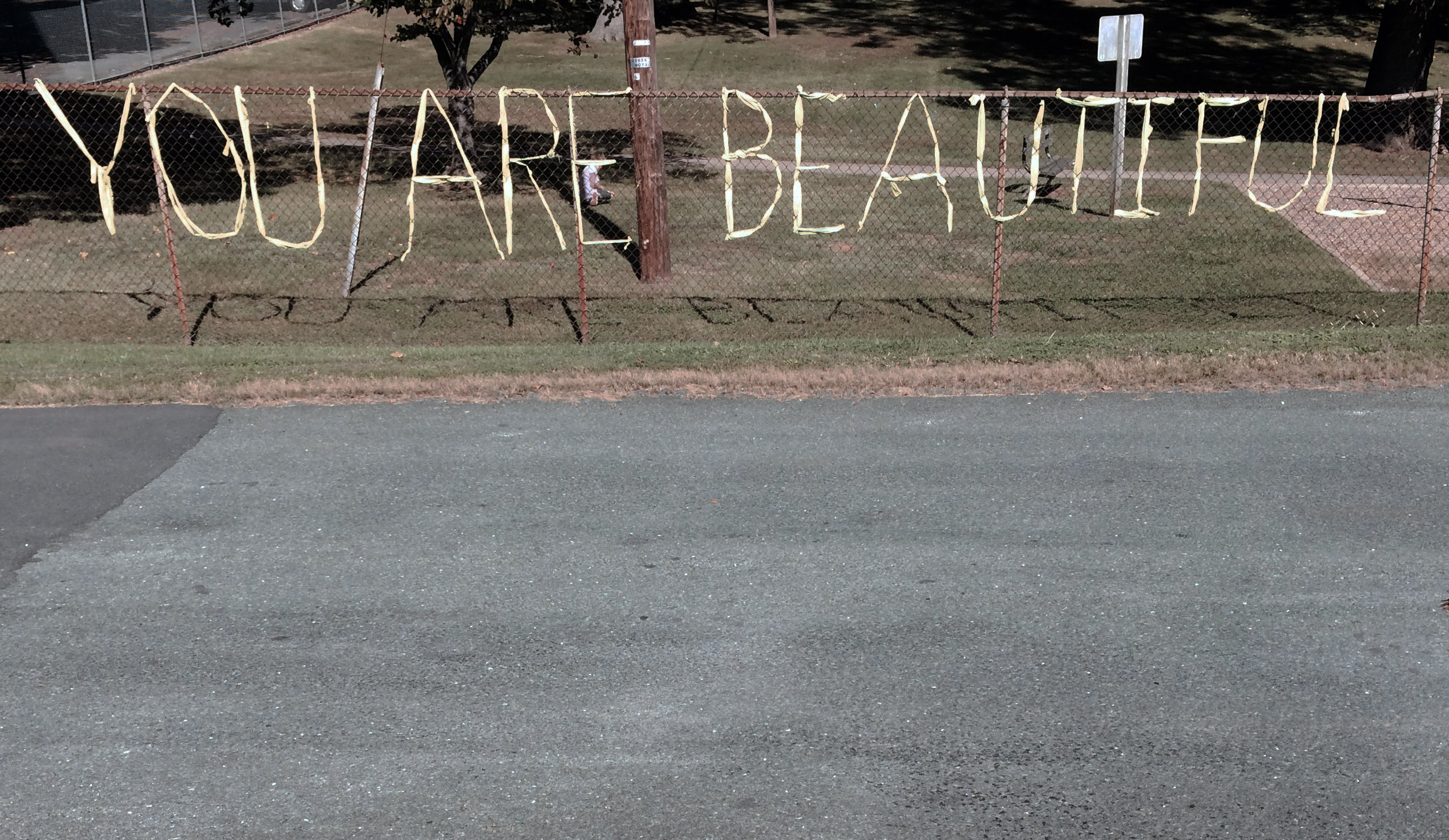
For your viewing pleasure, here is a sampling of old signage and hand-crafted messages. All images found as is, except the last one, heh, heh, heh.

I NEED MY WIRE

I really NEED MY WIRE

IWillBuyArt

Relief

YouAreBeautiful

YouAreTheLight3209

PortlandWhat

WithPipeAndBook2281

GreatBook

AlphaBooks

DoorClosed

DoorOpen

CashOnly

Beer

ScrapPaper

AvoidGettingStuck3229

NotReadyYet

INeedMyWine

Salvaging Random Row Books

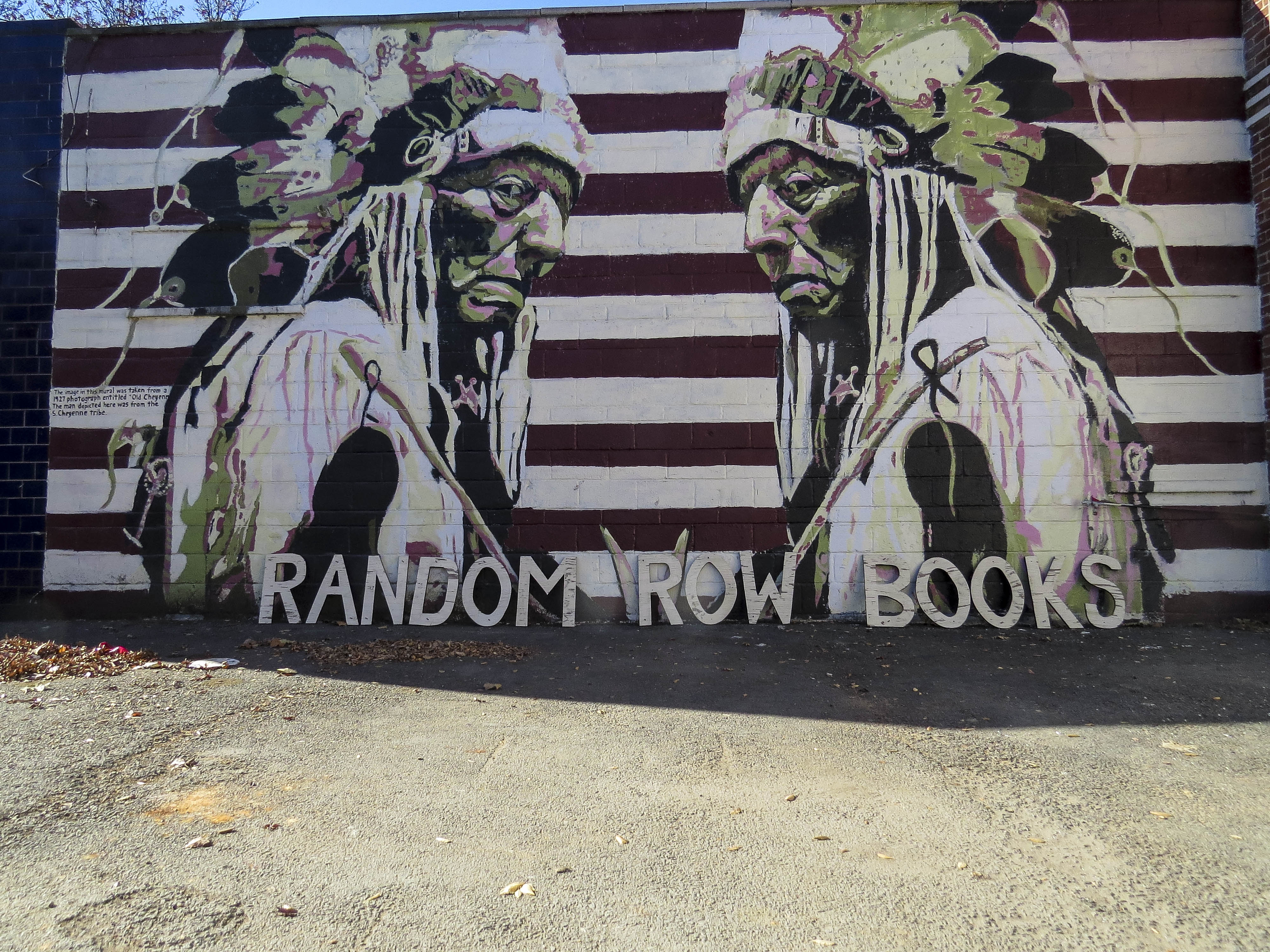
Mural and letters.

Mural and letters.

Letters at home.

Letters at home.

Thief apprehended, kitchen implement returned.

Thief apprehended, kitchen implement returned.


I tend to set my sights on the ephemeral, worn out and all-things-about-to-disappear. Usually, I come up just shy of the actual disappearance, cutting it extremely close or missing it. In 2013, I didn’t miss, I scored with five vowels and nine hardy consonants, salvaging these letters for some future, who-knows-what usage.

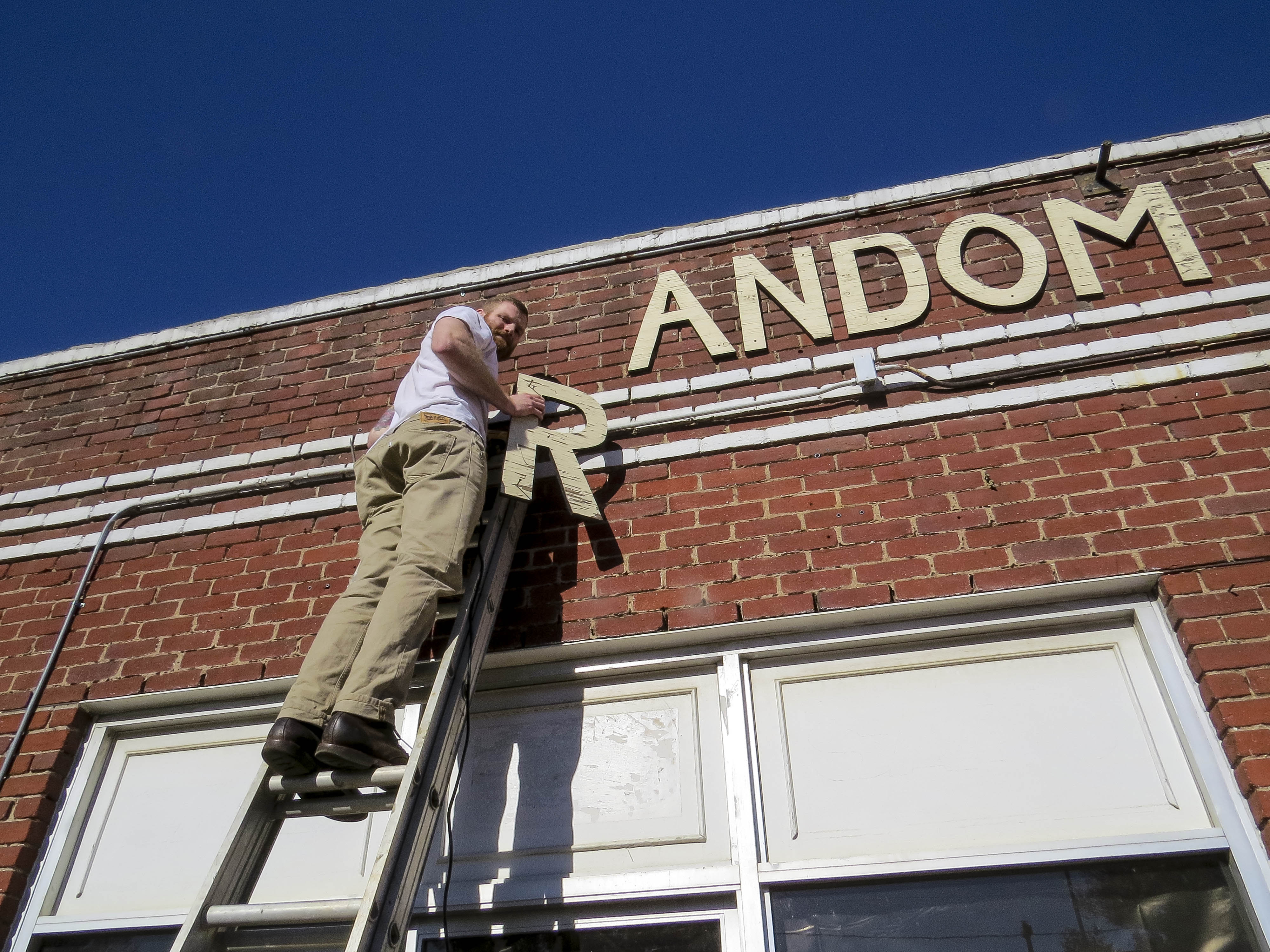
A small, independent, used bookstore and community art space I loved in Charlottesville announced it was closing, heralding some changes to come on West Main Street. Ryan Deramus, the stalwart owner of Random Row Books* sold off his inventory, tipped his hat and cycled away. The building was slated for demolition and a hotel to be built on that footprint. Feeling a bit like the Lorax, I climbed on the tree stump out front. I wanted to claim some vestige of what soon wouldn’t be, something familiar, some token: the sans-serif letters. Ryan told me I was welcome to the signage, relating how he’d found scrap wood in the building, handmade the 14 letters, painted and mounted them. I struck a deal with the building’s owner and site project manager to get in-and-out on the Sunday before the No Trespassing signs appeared, and I bartered with a co-worker (another Ryan) who is good on ladders to get the job done.

Ryan E. helps with salvage.

Ryan E. helps with salvage.

Ryan E. with W. Better this guy wielding the power tools than me.

Ryan E. with W (or maybe upside down M?)

I’ve made several trips to the site as the former building became rubble and the new one ascends. The Cheyenne mural seems to cast it’s own eye and mute opinion on the goings on.

In 2014, I took the letters out on the town. We visited with artist Simon Draper and his Habitat for Artists residency at The Bridge. His habitat, made of recycled materials, was constructed on site, then deconstructed to spend a weekend at the Main Street Market and now lives at the Ix Art Park in Charlottesville.

The white paint on the letters is chipping in the expected wabi-sabi way after six years of weather. We continue to have wordsmith and anagram fun out back by our shed. My typographer’s eye tells me I need to fix the kerning, too tight propped on the ladder as is. But I can fix that. It’s OK man.

(*Do read the wonderful backstory on the bookstore and mural when you have a chance, I admit I barely did it justice. We bought books, saw live bands, theatre and picked up our veggie CSA there back in the day. Joni Mitchell knows… they paved paradise, put up a parking lot.)

Bookboxes at the Gift Forest, ho!

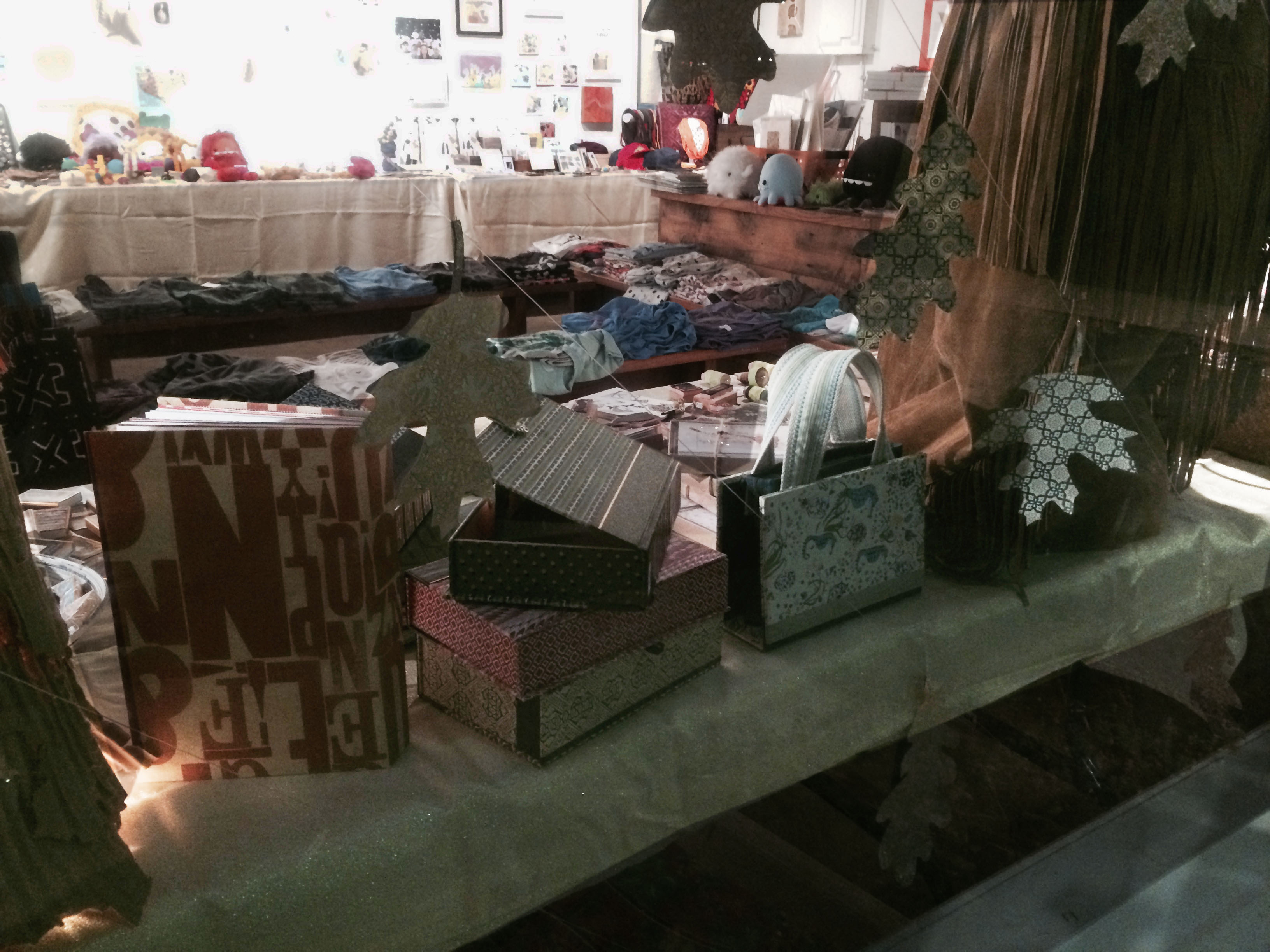
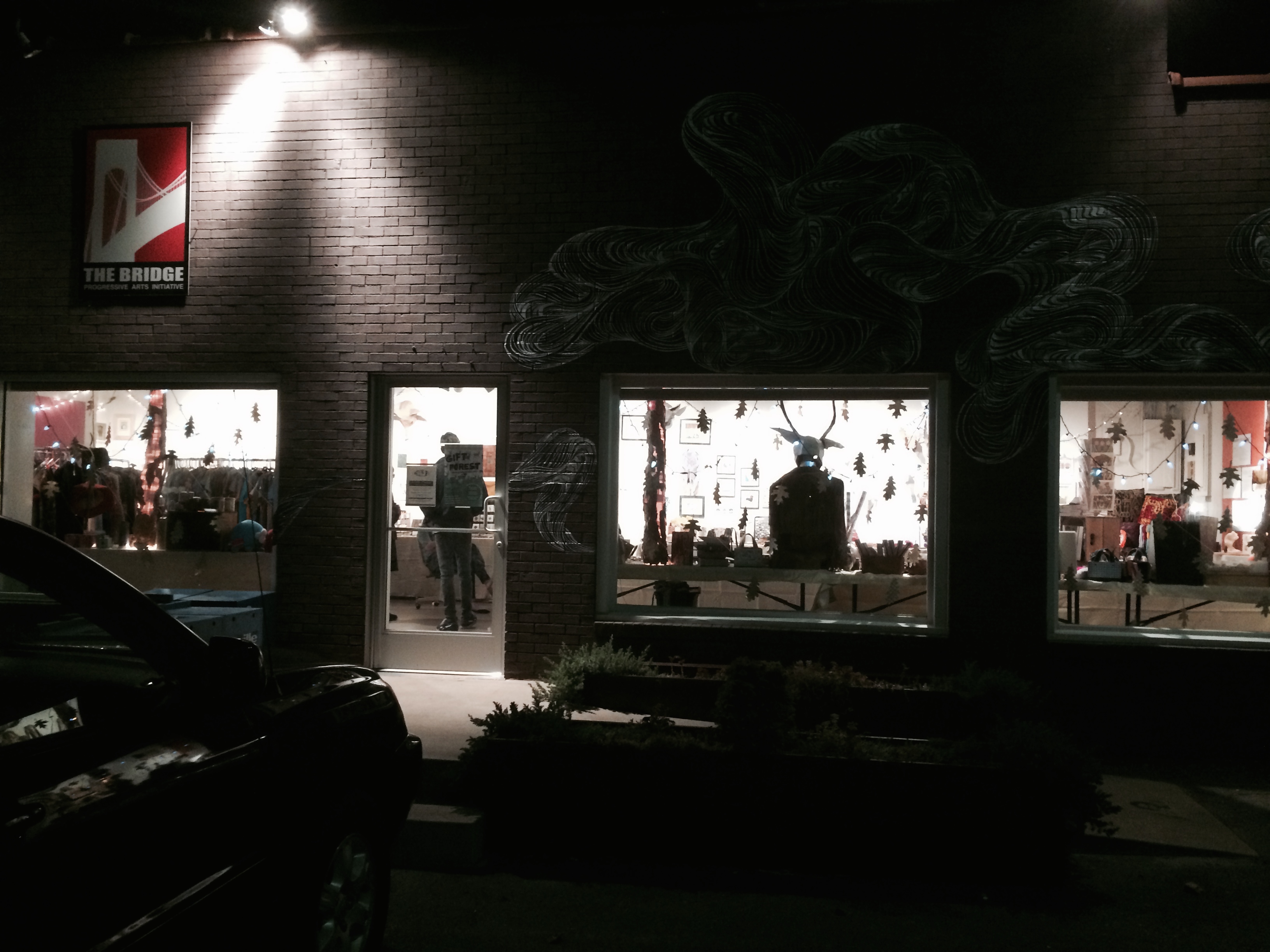
I donned my craft snood and fashioned some gift items for sale at the Gift Forest, an annual pop-up holiday gift shop hosted by The Bridge gallery with 60+ Virginia artisans and vendor wares. Runs December 1st to 24th, weekdays 12-8PM and weekends 10AM-6PM (Christmas Eve opened 10AM-4PM), 209 Monticello Road in Charlottesville, by the Spudnuts.

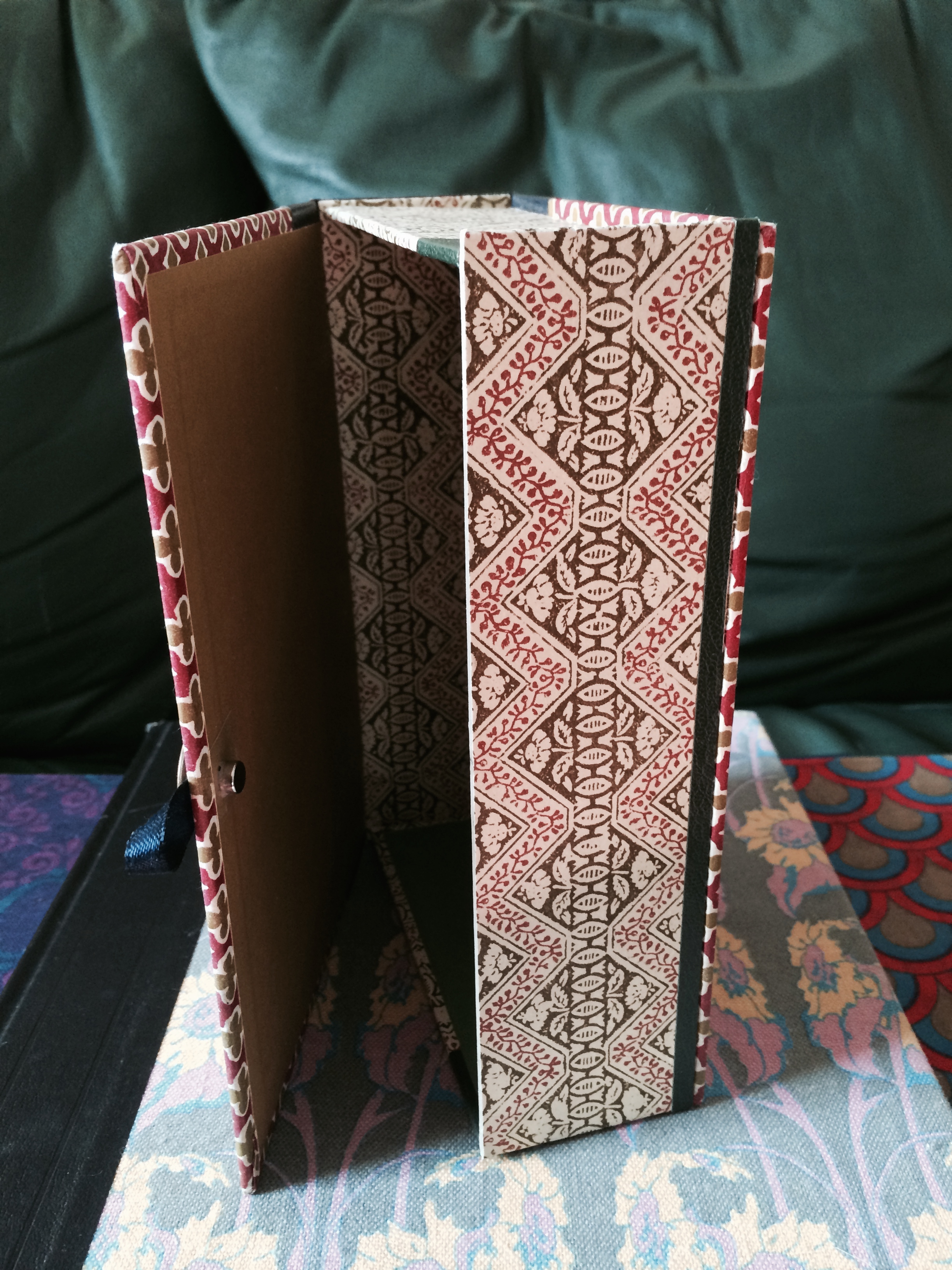
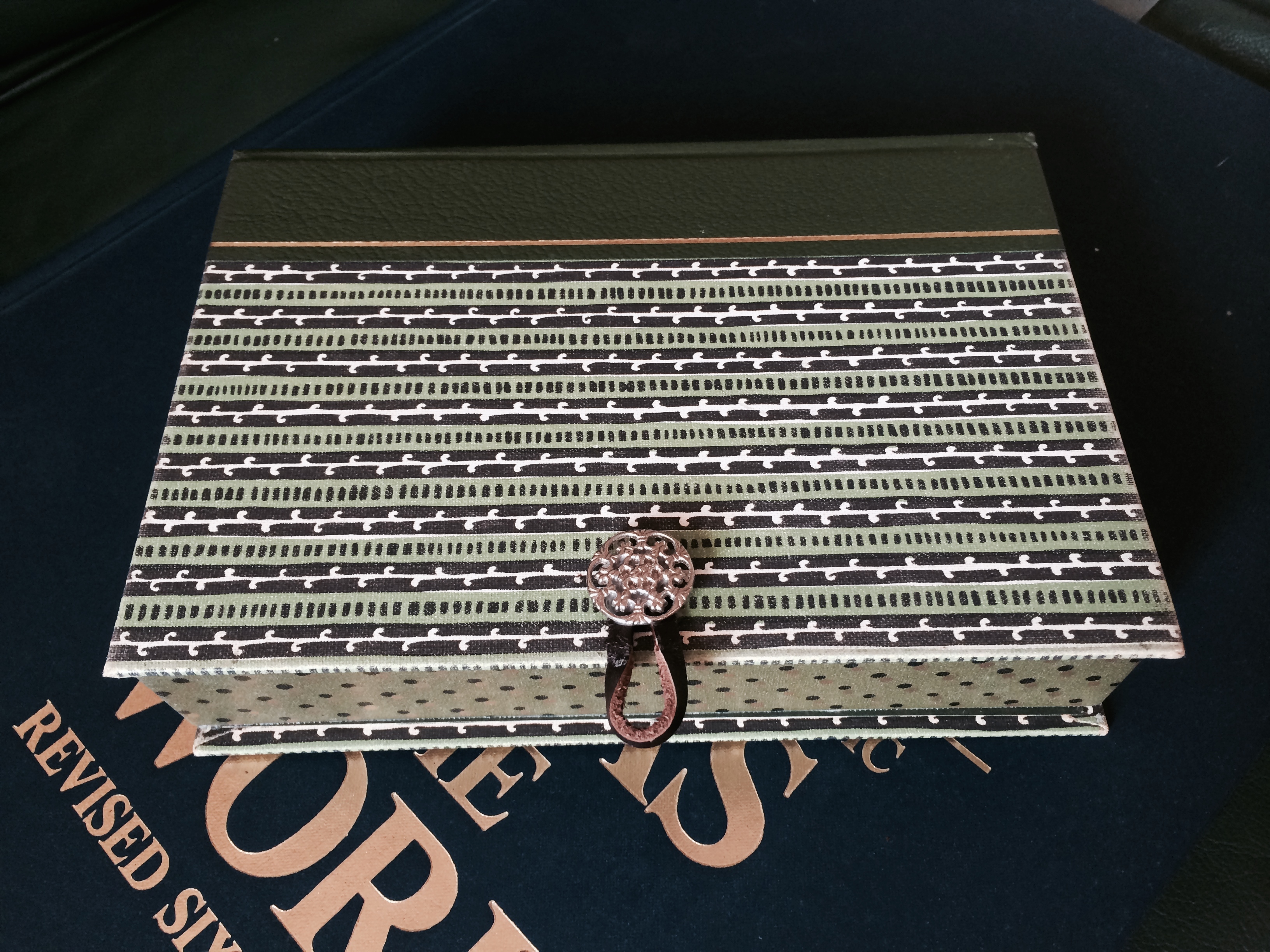
I had made and tucked away (forgot and lost actually) two prototype bookboxes and decided to make more with my favorite source material, recycled Reader’s Digest Condensed Books. Uniform in height and depth, with faux leather spine, sturdy case binding and attractive graphic print covers, I have a collection of nearly 600 covers to choose from.

RDCB-1371

Reader’s Digest Condensed Book covers.

The bookboxes have sturdy, contrasting print sides and mini magnetic closures. Perfect for desktop display or to cache treasures deep in the bookcase. I raided my sewing basket for vintage buttons, ribbon scraps and leather tabs.

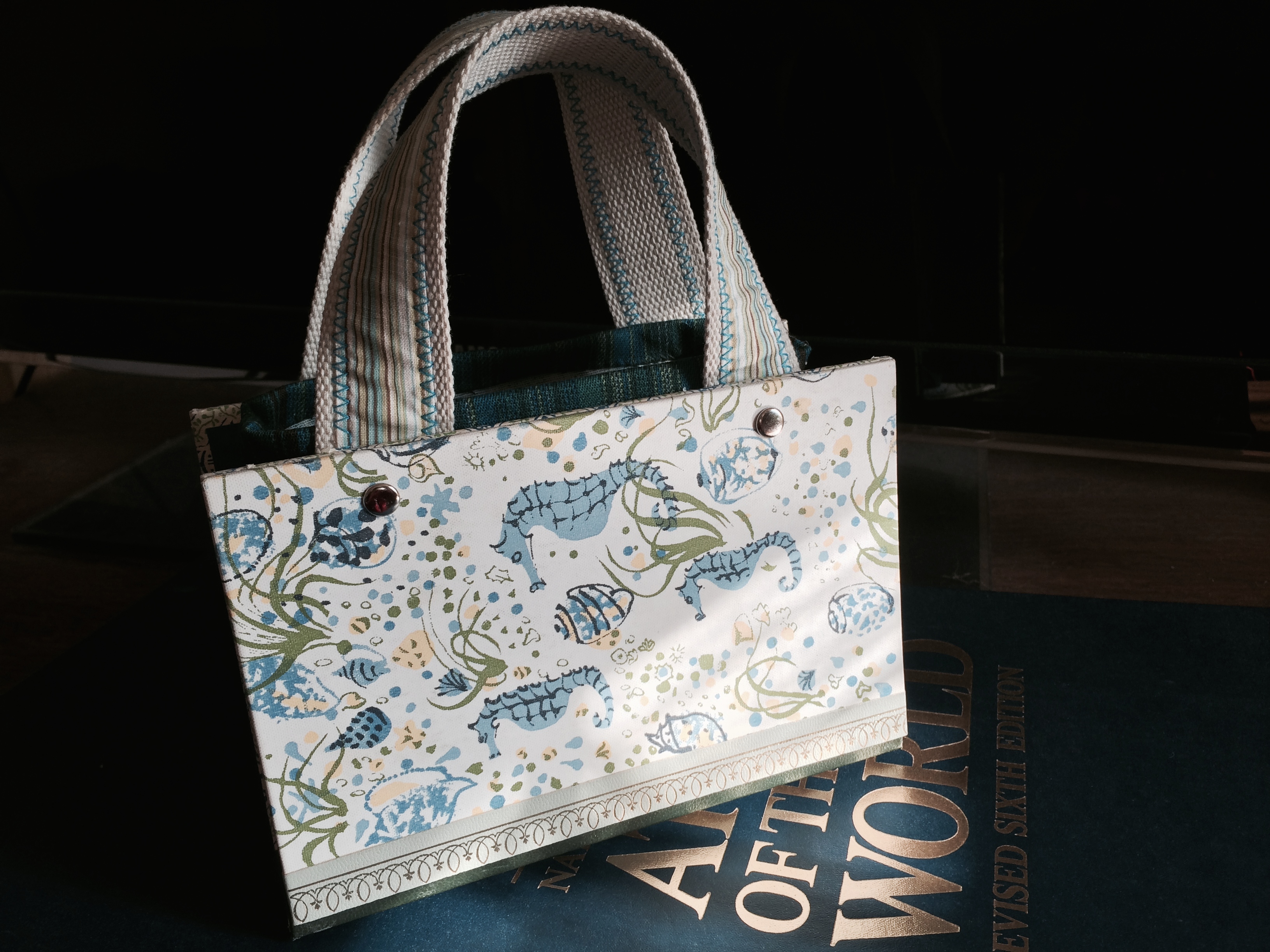
The six bookboxes and four bookbags pictured below are at the Gift Forest and available for purchase: $25 each bookbox and $45 each bookbag. Have a favorite book you want transformed into objet d’art or unique whatnot? I take commissions.

Bookboxes-1356

Bookbox-1354

Bookbox-1348

Bookbox-1343

Bookbox-1335

4 little bookbags: Seahorse, plum gold floral, brown plaid and blue quatrefoil.

Bookbag-1316

Bookbag-1323

Bookbag-1331

Bookbag-1326

Bookbag-1325

I popped in opening night, the first of December to check it out. Strange day, nearly 70 degrees. Yet, it is that time and we will shop in sandals or boots. In my heart, I covet and would add 86% of what I saw there to my wish list. Like that neon sign across town saying, Get In Here: go to the Gift Forest, get in there. But save a few things for me, please.

GiftForest-1363

GiftForest-1366

GiftForest-1365

GiftForest-1367

Outside looking in.

Outside looking in.

Catching up with Cville Niche

CvilleNiche

Kind words from the fine folks at Cville Niche who highlight all things interesting, creative, musical and delicious in Charlottesville. I very much enjoyed this Q & A about books and the opportunity to crow about the upcoming VA Festival of the Book to boot.

They allowed me to wax about my scavenging, collecting and collaging; plug favorite book stores, books and authors, too.

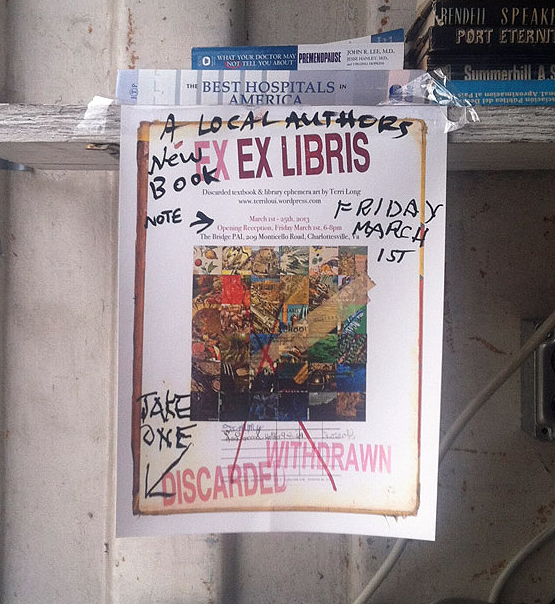
Speaking of authors, I greatly admire them, the whole lot. But I have never written a book, yet flattered no less, when I came across this “edited” version of the flyer at the McIntire Recyling Book Bin.

What’s in a word… Author, Artist?! The text describes art from books but I didn’t have the heart to edit their edit.

Art on walls

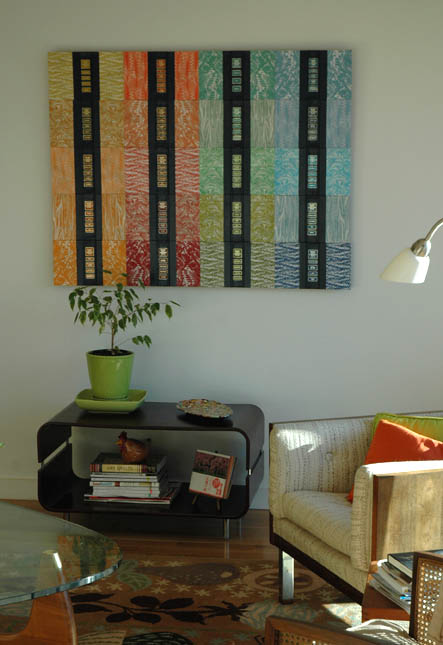
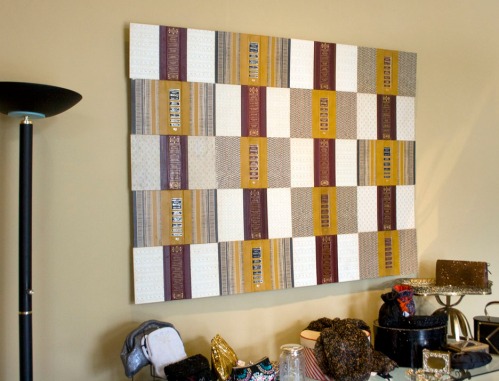
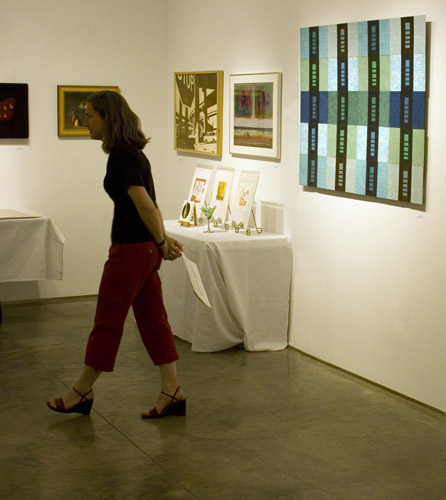
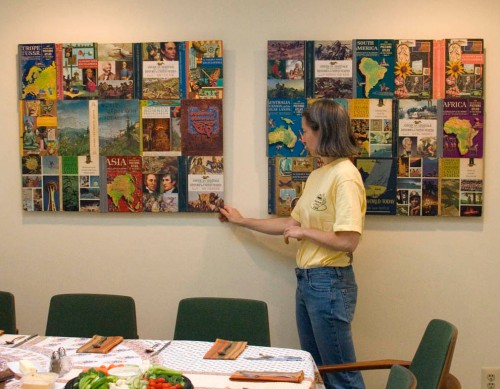
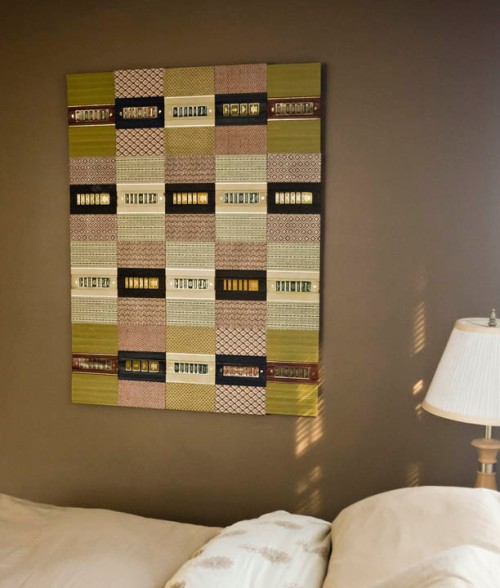
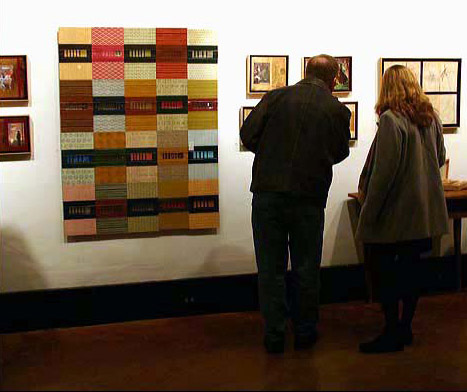
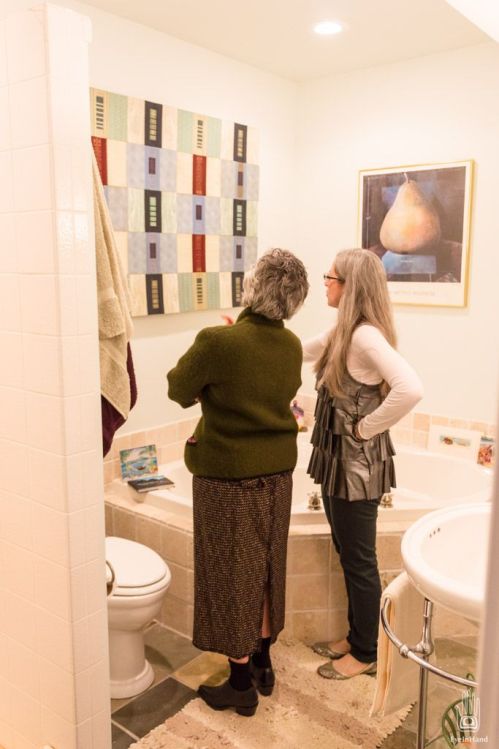
A peak into homes, shops and public spaces that feature my Readers Digest Condensed Book and Encylopedia Quilts.

Prism Book Quilt on Billie's wall, 2008

Prism Book Quilt on Billie’s wall, 2008

Royal Patch Book Quilt on Posh Boutique wall, 2008

Royal Patch Book Quilt on Posh Boutique wall, 2008

Cerulean Book Quilt on 2nd Street Gallery wall, 2008

Cerulean Book Quilt on 2nd Street Gallery wall, 2008

Encyclopedia Book Quilts on parent's wall, 2009

Encyclopedia Book Quilts on parent’s wall, 2009

Fools Gold Book Quilt on Paige's wall, 2009

Fools Gold Book Quilt on Paige’s wall, 2009

First book quilt on Nature Vistionary Art wall, 2006

First book quilt on Nature Vistionary Art wall, 2006

PieBookQuilt

BG and I review Pie’s recent acquisition, December 2012.


05-RDQuilt5


RedQuilt3424


LaurasQuilt

Amish Quilt, gifted to Laura in 2009.


Divining the discarded.

Actually, these are Barry’s words. He is the writer in the household, and when queried if he had anything to say about my work, he gifted me this:

I’ve been watching Terri collect things and arrange them together for years, but only recently have I begun to understand why and what they mean to her. It’s this passing of the physical world that she captures in her collections, and especially the passing of the physicality – the lives, the people and the artifacts themselves.

Like an archeologist of the not quite modern, the almost gone, she rescues pieces of everyday life just before it vanishes. The way a piece of jawbone or a bronze pin pulled from the ground can reveal the story of a once thriving ancient civilization, she finds in the recently discarded – things once highly valued and no longer – signs of a life that is just now passing.

Divining the discarded.

She sees stories in the insignificant. Lagging somewhat behind, she follows in our tracks after we pass, reading our footprints, picking up the things we leave behind, giving them a turn in the sunlight, then puts them in her pocket to take home.

For the past several years her attention has turned to books. We have just passed through the golden age of book publishing, when books were cheaper and more plentiful than at any other time in history. But that time is almost over. Once valued as prized possessions, books are now discarded in great stacks of dried wood pulp, piled near the curb like leaves for composting. The more sentimental owners, still attached to their old friends, drop them at yard sales or Goodwill stores, or in recycling boxes, a last chance for temporary salvation on their way to the dump.

Terri collects these fleeting artifacts, too, and arranges their pieces and parts into patterns to tell our stories. A mosaic of textbook covers recalls the time we rejoiced when our class was chosen to receive new textbooks. Their covers, unblemished, crackled when opened to proudly write our names first as owner and caretaker of this container and conveyor of knowledge. There are odd how-to books from the ‘50s – How to Write Good Social Letters, and Better Rural Living, and Sportsmanlike Driving – when our parents saw the world differently from us. Each cover, including the book itself, a microcosm of how we used to think.

But what I am reminded of, when looking at Terri’s work, is the imminent mortality of it all. Her presentation is spare, without artifice, her own personality almost frustratingly withheld from view. No more than creatively arranged samples of a most recent past – simple, unadorned, laid out in grids like specimen drawers in the basement of a museum. For a sensitive observer, they create the unmistakable feeling of wabi-sabi, the Japanese esthetic of transience and impermanence. These recent works seem to say in a soft voice “Books are not long for this world, look at what they were while you still can.”